
Dog Resource Guarding: Why It Happens and How to Address It Safely
A safety-first guide to dog resource guarding — how to tell early, low-risk guarding from signs that need a professional, plus what genuinely helps and what to avoid.
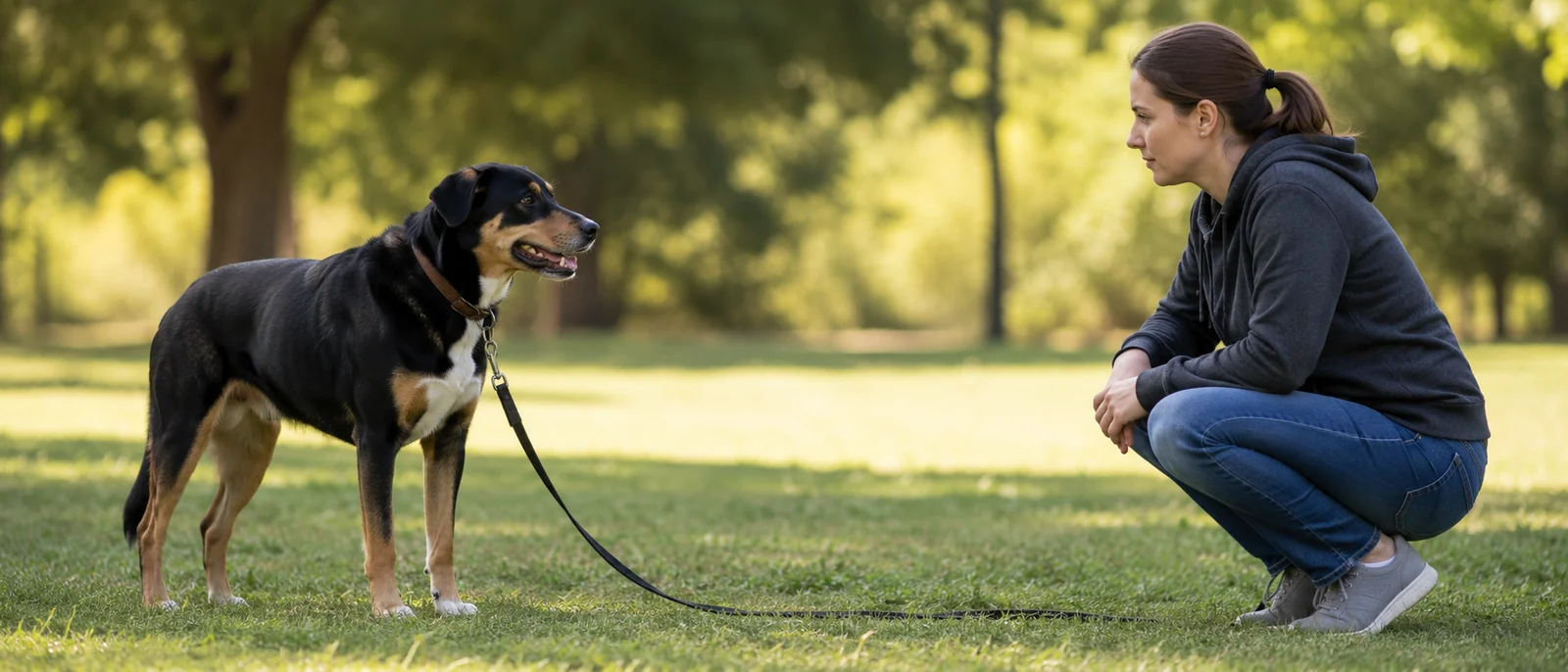
This is the pillar where management comes before training, and where the honest answer is sometimes to stop reading and call someone. Resource guarding and aggression involve real risk to people and to other dogs, and the guides here are written to reduce that risk first and to change behaviour second.
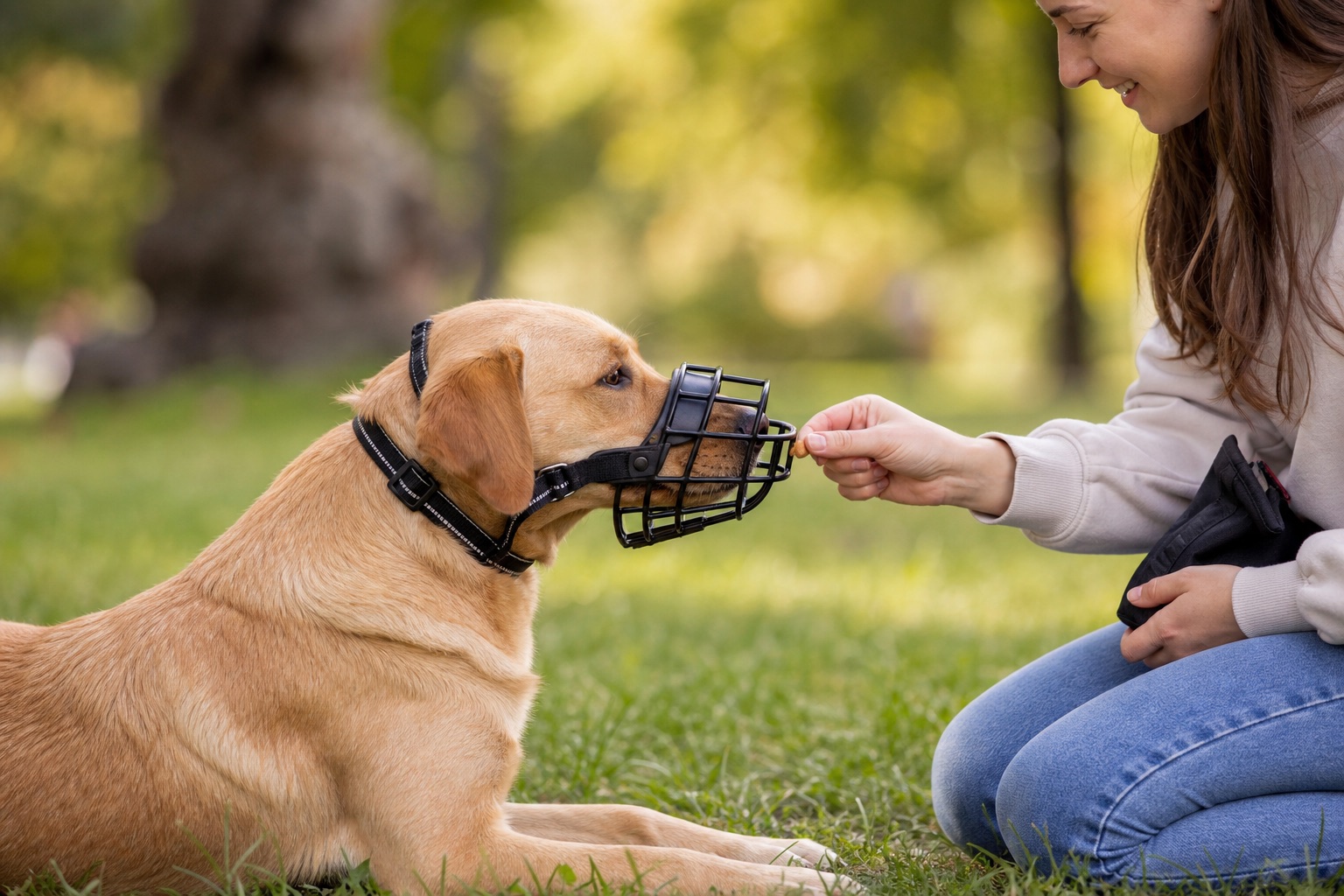
Two things run through all of them. Punishing a warning removes the warning, not the feeling behind it. And a muzzle, introduced properly and well in advance, buys the safety margin that makes everything else possible. If any situation described here is already happening in your home, the section on finding qualified help is the part to read first.
6 guides in this category
A safety-first guide to dog resource guarding — how to tell early, low-risk guarding from signs that need a professional, plus what genuinely helps and what to avoid.
How to recognize the severity of dog aggression, manage it safely in the meantime, and know when — and how — to get the right professional help. Diagnostic and referral-focused, not a DIY treatment protocol.
Teach a dog to wear a basket muzzle comfortably with gradual reward-based steps, choose safer equipment, and understand what a muzzle can and cannot do.
Reduce dog-bite risk around children with supervision, body-language awareness, safe interactions, and clear rules for family dogs and visiting dogs.
Learn safer ways to respond when dogs fight, why hands and collars are dangerous, how to use barriers and distance, and what to do after an incident.
Why an aroused dog bites whoever is nearest instead of the real trigger: how to recognize redirected aggression, the fence and window setups behind it, and how to keep everyone safe.
Every PupperGuide article sits in one of six categories.