
Barking & Communication
How to Teach a Dog to Be Quiet on Cue
Teach a reliable quiet cue by rewarding silence, not demanding it: when quiet is the right tool, two proven methods, practicing with the doorbell, and fixing it when it stops working.
Every PupperGuide training guide in one place — step-by-step, no fluff.
Showing 45 guides
Each category has its own page explaining what connects its guides and where to start.
Our newest step-by-step guidance for everyday life with your dog.
Teach a reliable quiet cue by rewarding silence, not demanding it: when quiet is the right tool, two proven methods, practicing with the doorbell, and fixing it when it stops working.

A step-by-step plan for shy and fearful adult dogs: map what frightens them, stop the exposures that make it worse, then build confidence gradually and measure real progress.
New to PupperGuide? Begin with these practical, reader-friendly training essentials.

A week-by-week crate training plan for puppies — how to choose the right size, avoid mistakes that backfire, and tell normal adjustment whining from distress that needs help.

The five common causes of excessive puppy barking and a different humane response for each—including what to do when barking suddenly changes.

A structured, force-free plan for reactive dogs — how to find your dog's threshold, work through it in phases, and know when a walk problem needs professional help.
Explore every PupperGuide article or narrow the library by category.
A week-by-week crate training plan for puppies — how to choose the right size, avoid mistakes that backfire, and tell normal adjustment whining from distress that needs help.
The five common causes of excessive puppy barking and a different humane response for each—including what to do when barking suddenly changes.

A complete puppy potty-training schedule by age, what to do when an accident happens, and what it means if a previously reliable puppy starts having accidents again.

A safety-first guide to dog resource guarding — how to tell early, low-risk guarding from signs that need a professional, plus what genuinely helps and what to avoid.
A structured, force-free plan for reactive dogs — how to find your dog's threshold, work through it in phases, and know when a walk problem needs professional help.

How to recognize the severity of dog aggression, manage it safely in the meantime, and know when — and how — to get the right professional help. Diagnostic and referral-focused, not a DIY treatment protocol.

Learn how to socialize a puppy safely with gradual, positive exposure to people, places, sounds, handling, and dogs—without overwhelming a young puppy.

Learn why puppies bite, how to respond in the moment, how sleep and play affect nipping, and when mouthing is different from a safety concern.

How much and how often should you feed a puppy? Use a measured, body-condition-based approach, understand meal frequency, and learn when adult food may be appropriate.
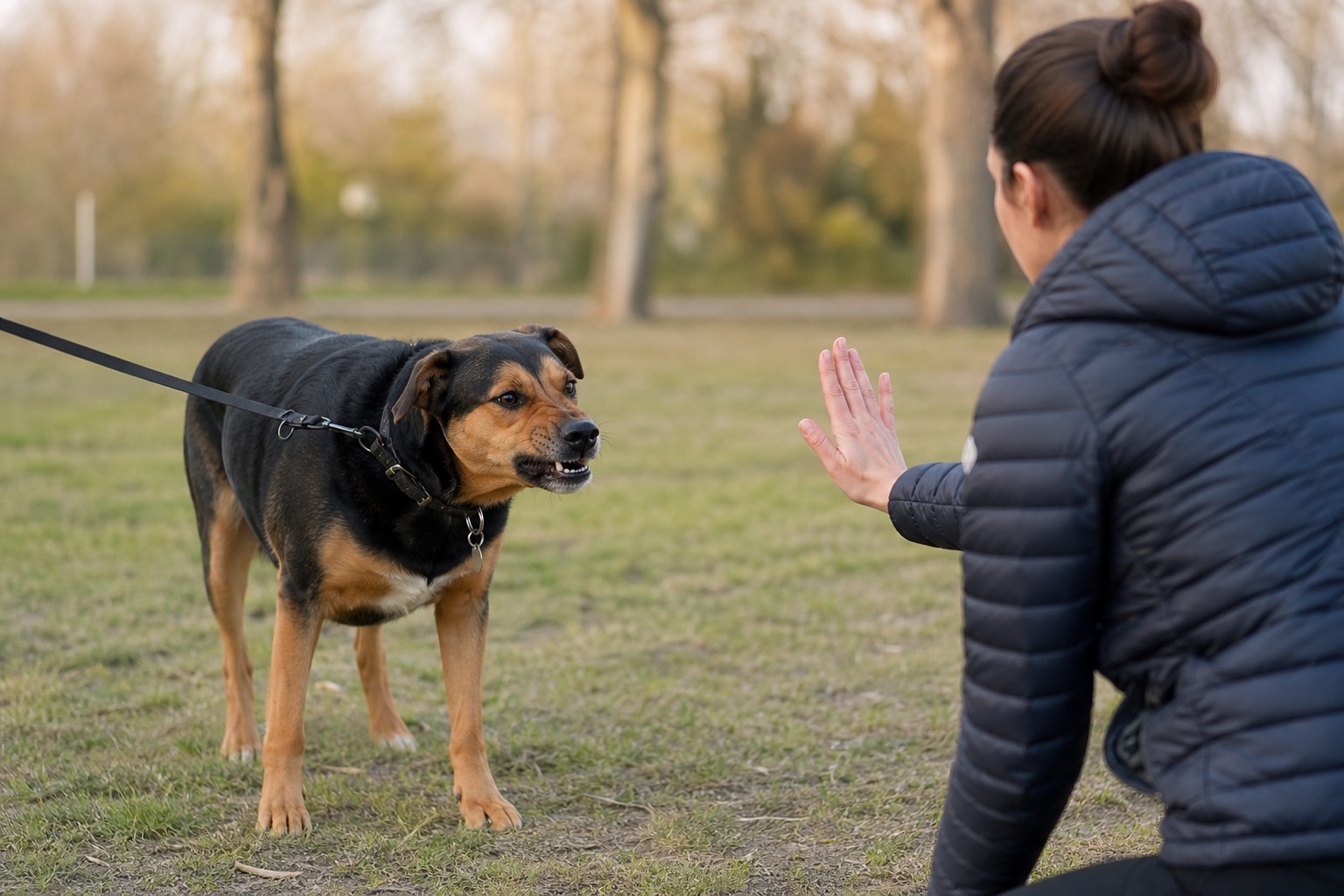
Growling is communication, not a behavior to punish. Learn the common causes, respond safely in the moment, and recognize when professional help is needed.

Learn to read a dog's posture, face, tail, movement, and calming signals together so you can spot comfort, stress, fear, and a need for space.

Why do dogs howl at sirens, sounds, night-time changes, or when left alone? Learn the common causes, safe responses, and when sudden howling needs a vet.

Dog whining can signal attention, excitement, submission, anxiety, or pain. Learn how to tell the difference and respond without missing a medical problem.

A practical loose-leash walking plan: teach your dog where the leash works, reduce pulling without pain, and build calm walks around real distractions.

Learn to recognize separation anxiety in dogs, prevent panic during absences, and build alone-time gradually with management, video observation, and veterinary support.
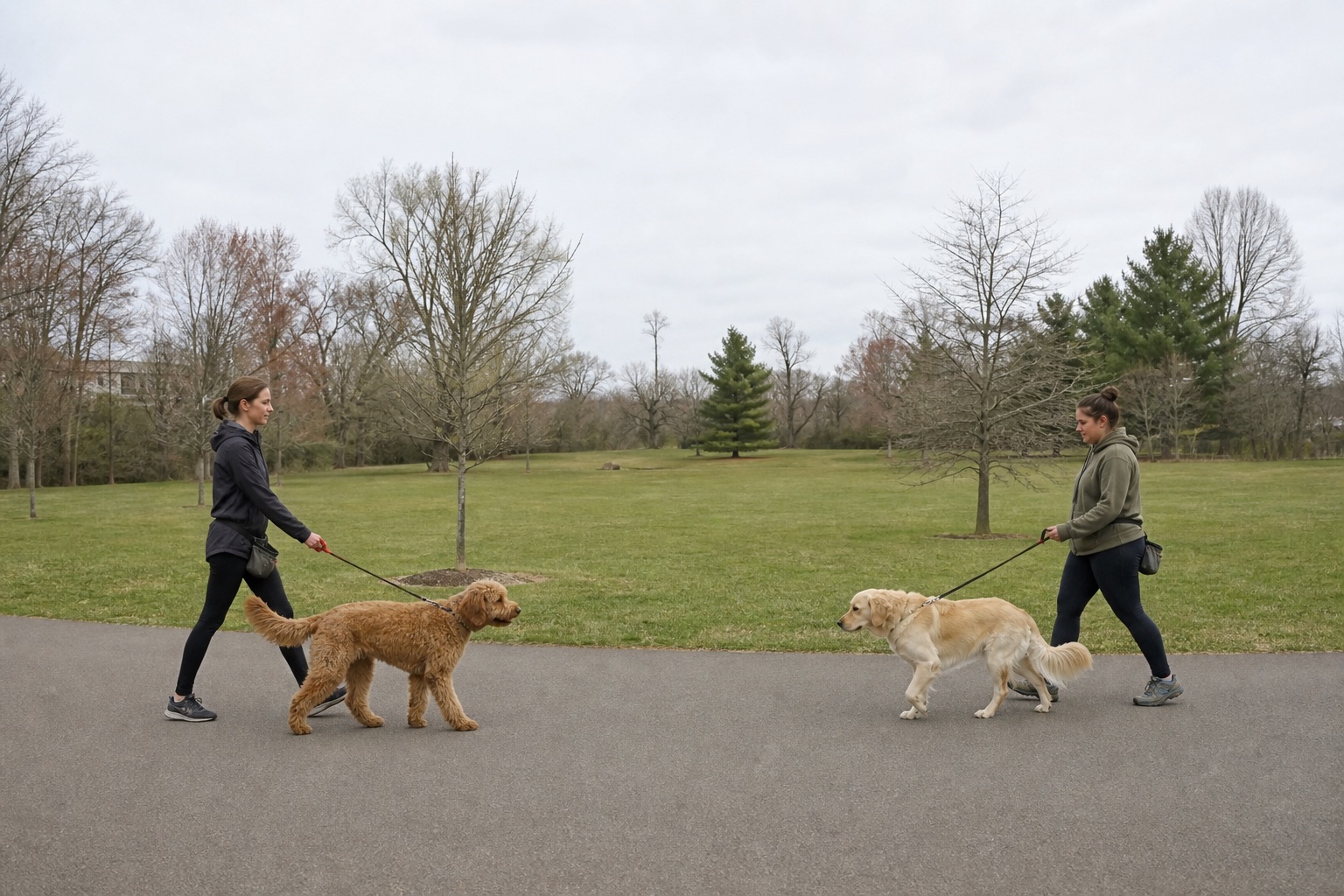
Learn how to introduce dogs with distance, parallel movement, loose body language, and calm management—whether meeting on a walk or bringing a dog home.

A safety-first guide to dog noise phobia: prepare for storms and fireworks, create a safe retreat, and use gradual training and veterinary support when needed.
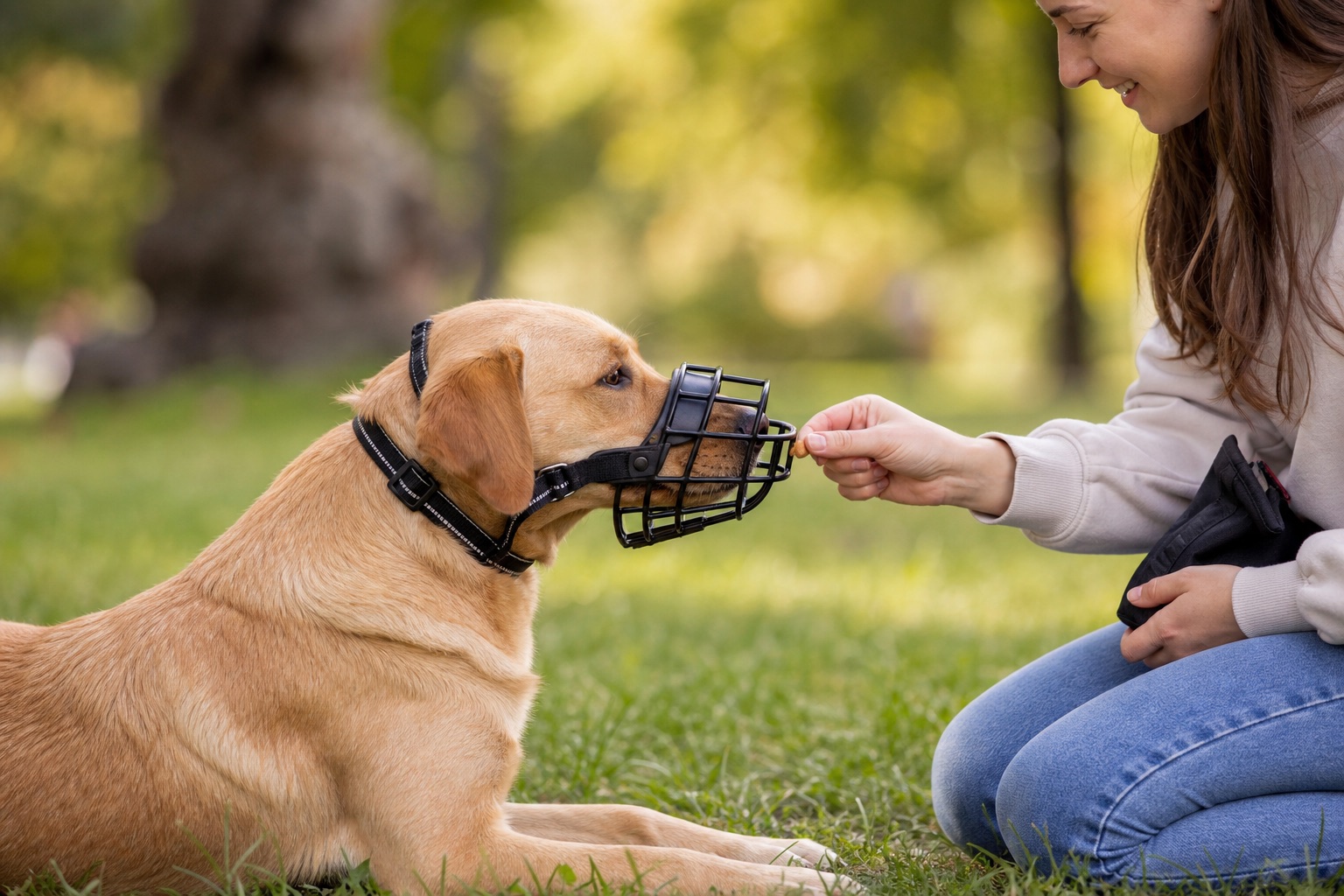
Teach a dog to wear a basket muzzle comfortably with gradual reward-based steps, choose safer equipment, and understand what a muzzle can and cannot do.

Reduce dog-bite risk around children with supervision, body-language awareness, safe interactions, and clear rules for family dogs and visiting dogs.

Learn safer ways to respond when dogs fight, why hands and collars are dangerous, how to use barriers and distance, and what to do after an incident.

A practical beginner plan for teaching sit, down, and stay with rewards, clear criteria, short sessions, and everyday distractions.
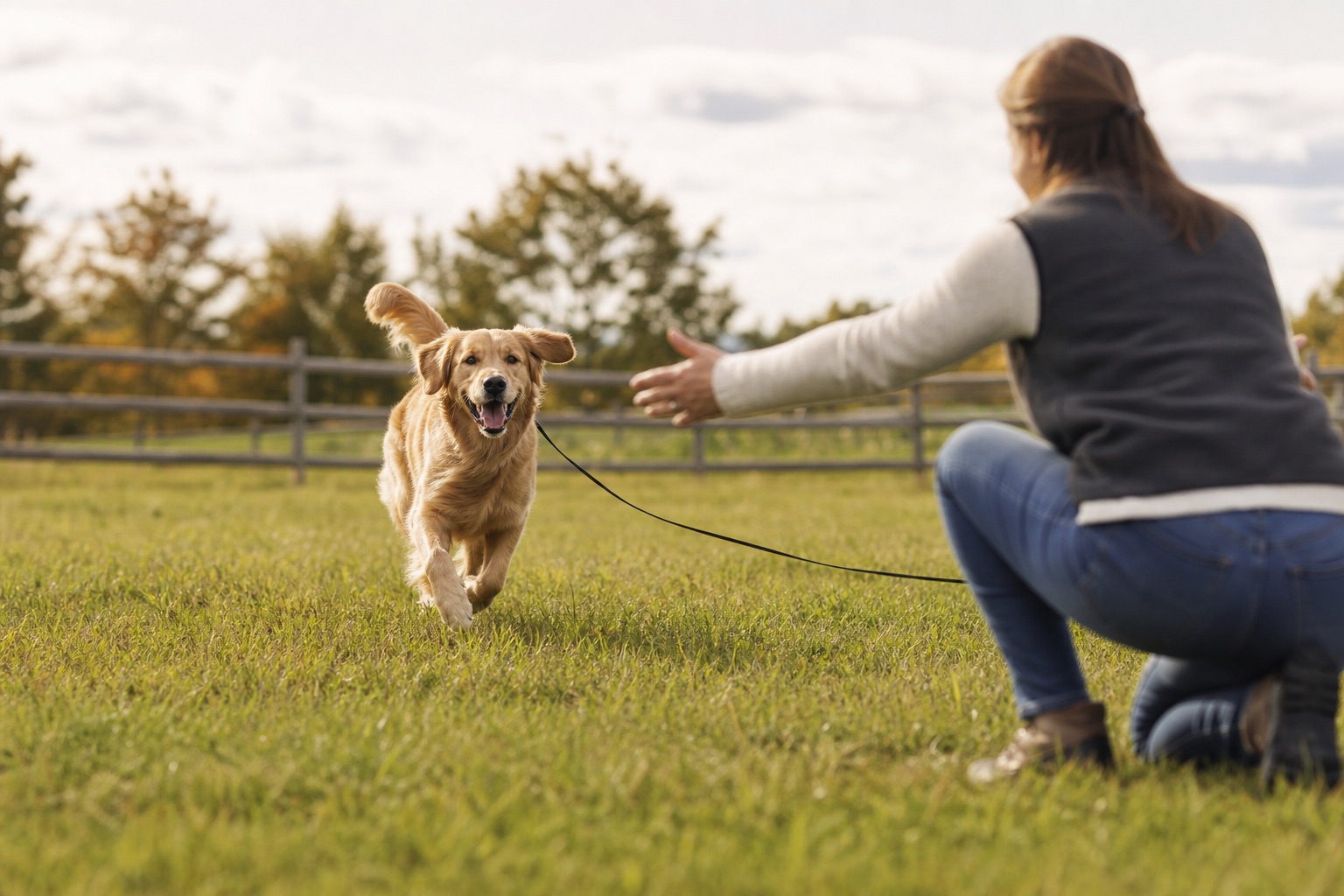
Build a reliable dog recall with games, long-line practice, high-value rewards, and clear safety rules before off-leash freedom.
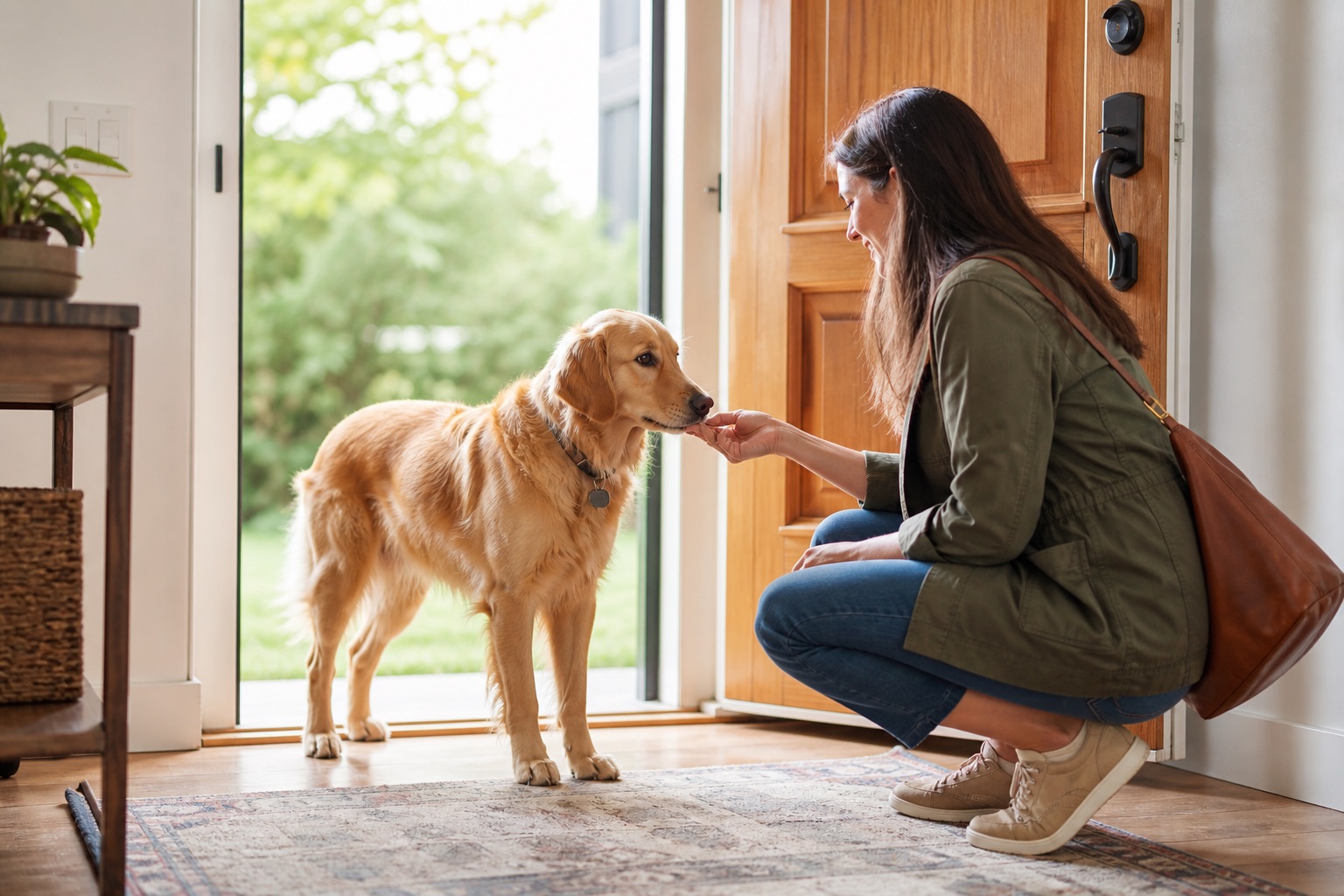
Teach polite greetings by preventing rehearsal, rewarding four paws on the floor, and giving visitors a simple, consistent plan.

Teach leave it and drop it with rewards, safe practice objects, and a clear resource-guarding boundary so your dog can give things up without conflict.

Teach a dog to go to a mat, remain there comfortably, and settle during meals, visitors, and everyday activity with gradual reward-based practice.

Learn how much sleep puppies need by age, build a practical nap and bedtime routine, and recognize overtired behavior or signs that need a vet.
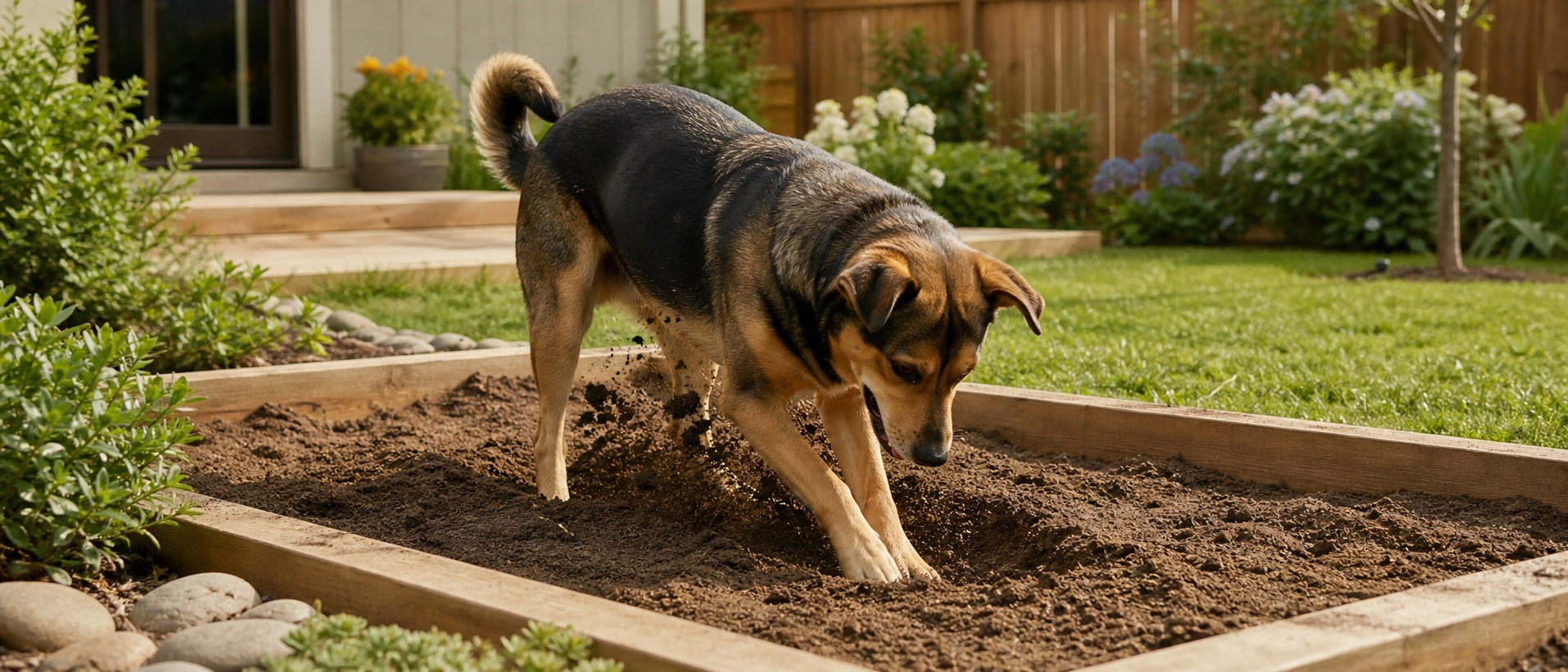
Learn why dogs dig, identify the cause, protect your yard, and redirect the behavior with humane, practical strategies that work.

A clear, vet-informed puppy and dog vaccination schedule covering core vaccines, timing, boosters, and why maternal antibodies make early timing matter.

A practical guide to zoonotic diseases dogs can pass to people-ringworm, roundworms, giardia, leptospirosis, and more-plus the everyday hygiene habits that lower real-world risk.

A decision path for dog ear infections-what to watch for, what's urgent versus what can wait a day or two, safe at-home cleaning, and why infections keep coming back for some dogs.

Bloat (gastric dilatation-volvulus) is a surgical emergency that kills within hours if untreated. How to recognize it, what actually happens at the vet, and the real risk factors-including one popular prevention myth the evidence contradicts.

Dog shaking has causes ranging from being cold to a genuine emergency. A triage-ordered guide to telling them apart-including toxin exposure, pain, and low blood sugar-plus when trembling is actually fear, not a medical problem.

A complete flea treatment protocol: confirming an infestation, treating your dog, treating your home-where 95% of a flea infestation actually lives-and safely removing a tick if you find one along the way.

A practical guide to trimming dog nails-tools, finding the quick on light and dark nails, what to do if you cut it, and a cooperative-care approach for dogs who fight, freeze, or refuse.

Why periodontal disease is the most common health condition in adult dogs, what actually works to prevent it (including the VOHC seal, the one credential worth checking), and what an anesthetic dental cleaning really involves-and why anesthesia-free versions are discouraged by veterinary dental groups.

The evidence-based emergency cooling procedure for a dog with heatstroke-why cold water is now recommended rather than avoided, when to stop cooling, and how to recognize the signs early.

A dog-first guide to photographing your dog: the three cues that do the work, how to read stress mid-session, dark-coated dogs, action shots without chasing, and a five-minute plan that ends well.

The five types of dog enrichment, fifteen-minute options for small flats, no-yard homes, bad weather, and limited mobility, how to match enrichment to the behavior you are seeing, and when it backfires.

A calm, step-by-step way to bathe a dog: the setup that removes most of the fight, washing the body first and the face last, drying a noise-sensitive dog, how often is enough, and a plan for dogs who already hate baths.

A practical, room-by-room puppy-proofing checklist: kitchen, bathroom, living room, bedroom, stairs and doors, garage and yard, plus how to set up a safe zone and why management is the first half of training.

Get your dog ready for a long drive: practice runs, a restraint that holds in a sudden stop, planning stops, car sickness, what to pack, and why a parked car is never safe.

A practical new puppy checklist: the decisions to make before your puppy arrives, what to buy now versus later, a plan for the first day and night, the first week, and the first vet visit.

Why an aroused dog bites whoever is nearest instead of the real trigger: how to recognize redirected aggression, the fence and window setups behind it, and how to keep everyone safe.
A step-by-step plan for shy and fearful adult dogs: map what frightens them, stop the exposures that make it worse, then build confidence gradually and measure real progress.
Teach a reliable quiet cue by rewarding silence, not demanding it: when quiet is the right tool, two proven methods, practicing with the doorbell, and fixing it when it stops working.